
Craft-led wood studios in Dublin are small workshops that make handmade wooden objects using solid wood, traditional skills, and local production rather than mass manufacturing.
These workshops show how much of Dublin’s cultural life is still rooted in physical places, materials, and hands-on work. At the same time, everyday life no longer unfolds only in studios, streets, and neighbourhoods. People now move between physical spaces and digital environments as part of the same daily rhythm, and leisure follows that same shift.
Urban Leisure Beyond Physical Spaces
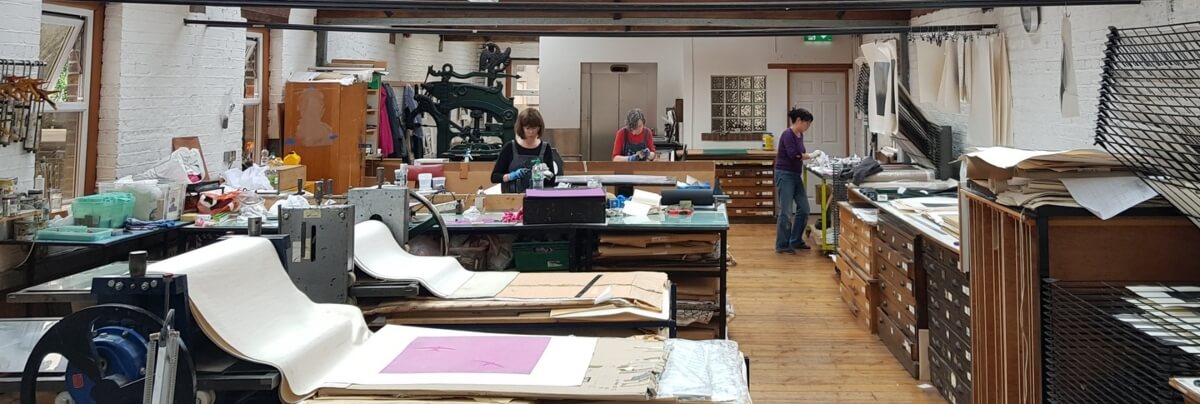
City culture today isn’t limited to physical places. Workshops, studios, markets, and local spaces still play a central role in daily life, but leisure is no longer tied only to streets, buildings, and neighbourhoods. People move constantly between physical environments and digital spaces, shaping how time is spent, how habits form, and how culture develops.
Modern urban life now includes both traditional forms of social and cultural activity and digital forms of leisure. These spaces don’t replace one another – they exist alongside each other. Together, they form a broader everyday environment where offline culture and online activity are part of the same lived experience.
Digital Leisure and Online Gaming Platforms
Within this digital space, online gaming platforms – including online gambling and online casino services – have become one of many forms of modern leisure. For some people, they function as a form of entertainment within the wider digital environment, alongside streaming, gaming, and other interactive platforms.
In this context, online gambling doesn’t exist as a separate world, but as part of a broader digital ecosystem of leisure and recreation. As with physical spaces, issues such as regulation, transparency, and responsible use shape how these platforms are understood and used. They sit alongside traditional urban culture rather than replacing it, reflecting how modern leisure now moves between physical places and digital environments.
Alongside these digital forms of leisure, Dublin’s cultural life continues to be shaped by physical spaces and hands-on work, where local studios and workshops remain central to everyday urban experience.
Craft-Led Wood Studios in Dublin
Studio Name | Address | Phone | Focus | Type of Work |
|---|---|---|---|---|
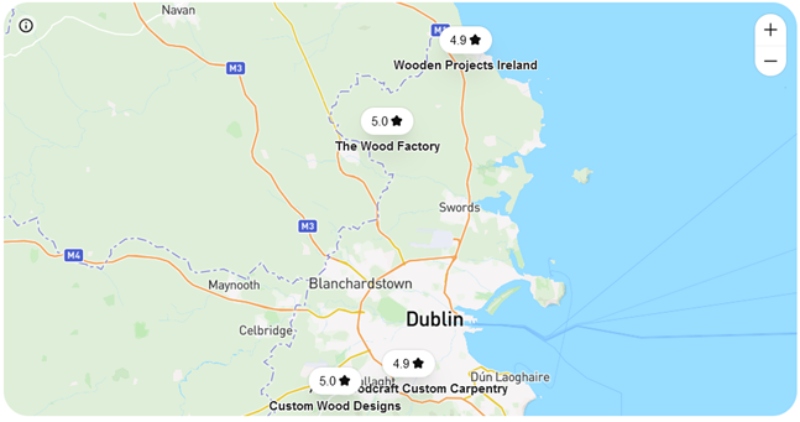
The Wood Factory | 3, Jordanstown, Oldtown, Co. Dublin, A45 A297 | (01) 843 3248 | Bespoke furniture | Built-to-order solid wood furniture, straightforward forms, visible grain, traditional joinery |
A. D. Woodcraft Custom Carpentry | 18 Anne Devlin Dr, Rathfarnham, Dublin 14, D14 A2V8 | 085 127 0371 | Custom carpentry | Cabinets, fittings, made-to-measure woodwork, clean construction, practical design |
Custom Wood Designs | Blessington Rd, Corbally, Saggart, Co. Dublin, D24 P963 | (01) 257 3871 | Small-run production | Boards, engraved items, crafted components, one-off and short production runs |
Wooden Projects Ireland | 26 Taylor Hill Park, Clonard or Folkstown Great, Dublin, K42 YP78 | 089 208 4200 | Outdoor woodwork | Garden structures, outdoor fittings, functional timber builds, solid construction |
These studios show how the craft-led tradition continued across Dublin, with different workshops working at a small scale and keeping production close to the material and the maker. Before them, one of the clearest examples of this approach came from a much smaller studio in Sandymount, where the focus stayed on simple forms, local wood, and everyday objects made to be used rather than displayed. That studio was Saturday Workshop.
Saturday Workshop
Saturday Workshop was a small Dublin-based wood studio founded by Edward and Iseult O’Clery, a father-daughter team working from Sandymount. Their work combined traditional woodworking with modern production methods, shaped by backgrounds in architecture, engineering, boat building, and furniture making. The studio focused on simple wooden objects made from locally sourced Irish hardwoods, using clear forms and practical construction.
The products reflected a quiet, workshop-led approach rather than decorative design. Shapes stayed familiar, restrained, and functional. Each piece looked designed to be used, handled, and kept over time, not treated as display-only objects.
Product range
The range stayed focused and compact, centred on everyday objects and simple forms:
- Rabbit
- Bunny eggcups
- Owl
- Pig chopping board
- Geometric eggcups
- Irish ash leaf decorations
- Fox and a rabbit set
- Salt and pepper pots
- Giant Irish elk
Several pieces referenced animals and natural forms drawn from Irish history and folklore. The giant elk figure reflected the extinct species often linked to elk Ireland and Ireland elk history, commonly known as the Irish elk, one of the largest deer species to have lived in Europe. Its form suggested scale and presence rather than detail, echoing the historical interest in Irish elk size without turning it into a decorative object.
The rabbit fox pairing and the fox and a rabbit set followed the same approach, using simple silhouettes rather than figurative detail, keeping the objects closer to traditional wooden toys than display pieces.
Disclaimer: This section is provided for informational and archival purposes only. We are not affiliated with Saturday Workshop, its founders, or any related business entities. We do not represent, manage, promote, or have any commercial relationship with this studio. All content is presented as independent editorial material for documentation, reference, and cultural record. This profile does not imply endorsement, partnership, sponsorship, or business connection of any kind.
Popular Craft-Led Wood Studios in Dublin
After the closure of Saturday Workshop, Dublin still had a number of small wood studios and makers working in a similar craft-led way. These workshops continued to focus on material quality, practical design, and small-scale production rather than branding or decorative styling. Their work stayed rooted in woodworking traditions, with clear forms, honest construction, and a direct relationship between maker, material, and use. The following studios offered a comparable approach to handmade woodwork in and around Dublin.
The Wood Factory
- Address: 3, Jordanstown, Oldtown, Co. Dublin, A45 A297
- Phone: (01) 843 3248
The Wood Factory worked from a workshop and showroom in Jordanstown, County Dublin. Their focus was on bespoke furniture built to order. The pieces were solid, custom-made, and shaped around straightforward forms rather than trendy aesthetics. The work felt rooted in practical design and careful handling of Irish hardwoods, with each item showing an honest treatment of grain and joints.
A. D. Woodcraft Custom Carpentry
- Address: 18 Anne Devlin Dr, Rathfarnham, Dublin 14, D14 A2V8
- Phone: 085 127 0371
A. D. Woodcraft produced bespoke woodwork from Rathfarnham. Their approach was tailored to individual client needs, with careful carpentry and joinery. Products ranged from functional cabinets to simple wooden fittings. A quiet attention to proportion and the physical presence of the wood made the work feel grounded and useful without decorative flash.
Custom Wood Designs
- Address: Custom Wood Designs, Blessington Rd, Corbally, Saggart, Co. Dublin, D24 P963
- Phone: (01) 257 3871
Custom Wood Designs was run by a small team near Saggart that made a broad set of wood products, from one-off pieces to small runs. Their work included boards, engraved objects, and crafted wooden components, all rooted in clear use of material and practical shaping. The range felt straightforward and hand-made rather than designed to follow trends.
Wooden Projects Ireland
- Address: 26 Taylor Hill Park, Clonard Or Folkstown Great, Dublin, K42 YP78
- Phone: 089 208 4200
Wooden Projects Ireland focused on outdoor wood structures and garden fittings but kept to honest woodworking practice. Pieces were functional, robust, and suited to everyday use in outdoor spaces. The work wasn’t about surface or brand styling but about solid construction and straightforward use of wood.
Finding Craft-Led Wood Studios in Dublin
People looking for handmade woodwork in Dublin often struggle to separate real workshops from retail brands and resellers. A few practical checks make the difference:
What to look for
- A physical workshop address, not just a showroom or online shop
- Clear mention of who makes the work
- Evidence of in-house production (photos of making, tools, workshop space)
- Use of solid wood rather than composite boards
- Small product ranges instead of wide catalogues
How to check credibility
- Local registration details or Irish business listings
- Direct phone contact with the maker, not call centres
- Custom or made-to-order options
- Real project examples rather than stock images
Good questions to ask a studio
- Where is the wood sourced from
- Who builds the pieces
- Is the work made on site
- What finishes and treatments are used
- Repair or maintenance options
Typical signs of workshop-made pieces
- Visible grain and natural variation
- Small differences between similar items
- Solid joinery instead of hidden fixings
- Weight and density that reflect real hardwood
This helps filter out mass production and locate studios that still work at a human scale, with direct control over materials, making, and finishing.